Common Organic Compound Components
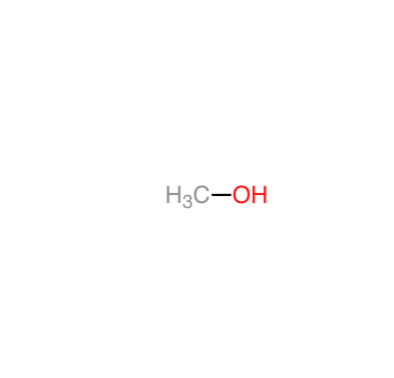
Methanol
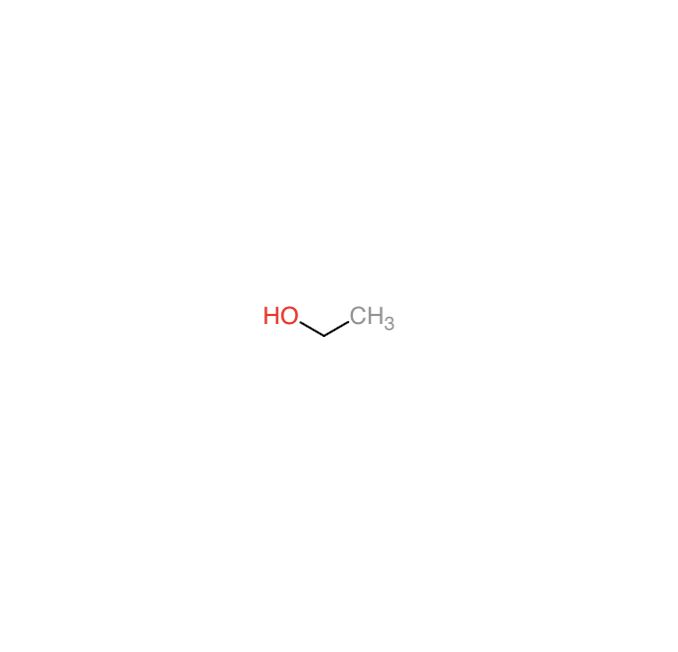
Ethanol
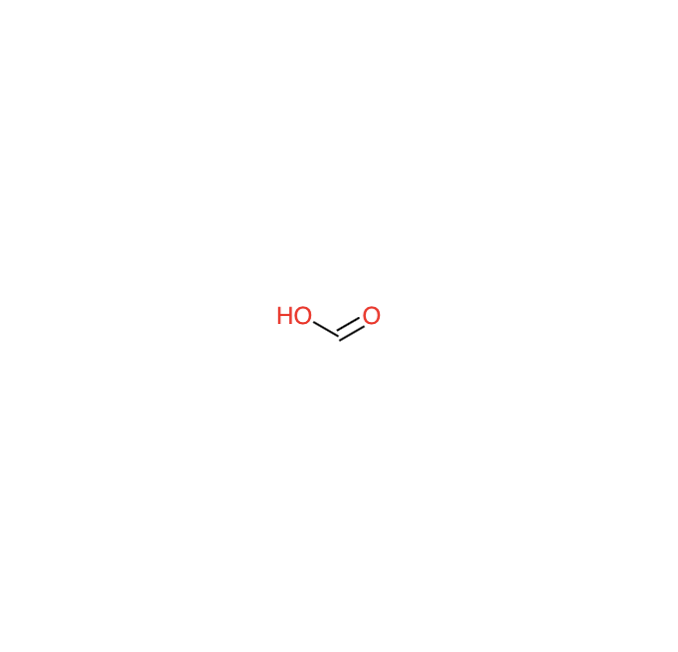
Methanoic acid
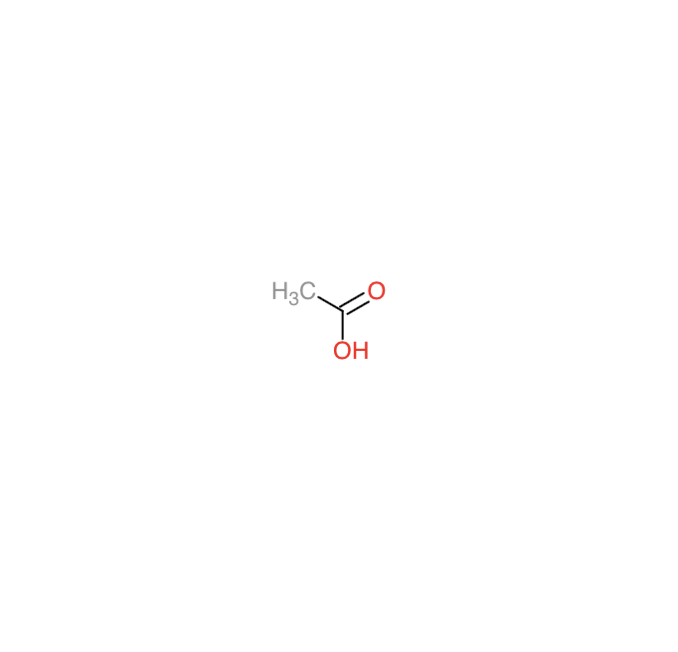
Acetic Acid

Ethyne
-
Methanol
Methanol, commonly known as methyl alcohol, is a versatile and widely used solvent, particularly in high-performance liquid chromatography (HPLC) applications. This colorless, volatile liquid is characterized by its low toxicity and excellent solvating properties, making it an ideal choice for researchers and industry professionals alike. Methanol serves as a critical solvent in the preparation of samples, aiding in the dissolution of various organic compounds and enhancing the efficiency of chromatographic separations. Its ability to mix with water and other organic solvents expands its utility across diverse fields, including pharmaceuticals, environmental analysis, and chemical synthesis.
In addition to its role as an HPLC solvent, methanol is also utilized in the production of formaldehyde, acetic acid, and various other chemicals, showcasing its importance in industrial applications. The compound's low boiling point and high purity make it particularly advantageous for sensitive analytical techniques, ensuring reliable and reproducible results. With its broad range of applications and favorable properties, methanol remains a staple in laboratories and manufacturing processes, providing essential support for innovation and research. -
Ethyne
Ethyne serves as a versatile high-energy building block in organic synthesis. Characterized by its carbon-carbon triple bond and hybridization, it offers unique reactivity for complex molecular assembly and high-temperature thermal applications.
Essential for synthesizing Vinyl Chloride Monomer (VCM) and Acrylonitrile as well as a key component in the production of Neoprene and other elastomers.
Due to its thermodynamic instability, ethyne is stabilized in acetone-filled porous cylinders for safe transport and laboratory use.
-
Acetic Acid
Acetic acid, is a colorless liquid with a pungent odor, widely recognized for its role as a key industrial chemical. With a high purity level, it serves as a vital reagent in the production of various chemicals, including acetic anhydride and acetate esters, which are essential in the manufacture of plastics, textiles, and food additives. Its ability to act as a solvent makes it invaluable in laboratories and industrial settings, facilitating reactions and extractions. Additionally, glacial acetic acid is utilized in the food industry as a preservative and flavoring agent, enhancing the taste of various products while ensuring their longevity.
This compound is also significant in the pharmaceutical sector, where it is employed in the synthesis of active pharmaceutical ingredients (APIs). Its unique properties, such as its ability to act as a dehydrating agent, further expand its applications in organic synthesis and chemical research. Researchers and industry professionals benefit from its versatility. -
Methanoic Acid
Formic acid is primarily used in industry for textile dyeing, leather tanning, and as a preservative in livestock feed. It is also a key chemical intermediate and a potential hydrogen carrier in renewable energy applications
-
Ethanol
Ethanol is a volatile, flammable, colorless liquid with a characteristic ethereal odor. Known as a primary alcohol, it acts as a versatile solvent, fuel, and antiseptic. It is widely used in alcoholic beverages, pharmaceuticals, hand sanitizers, and as an industrial solvent, appearing as a clear liquid, often known as ethyl alcohol.