Synthetic Compounds
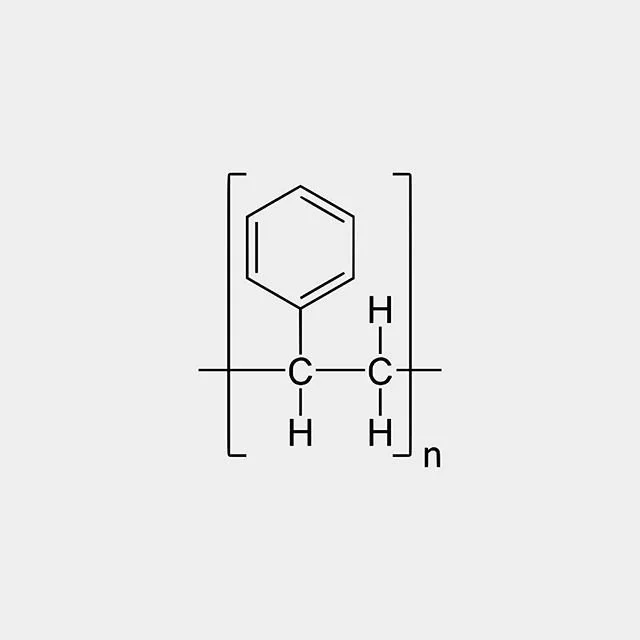
Polystyrene
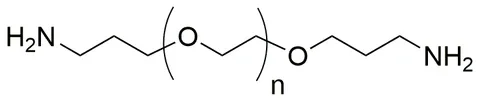
Polyethylene glycol bis(3-aminopropyl) ether
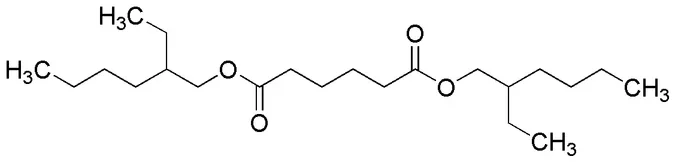
Bis(2-ethylhexyl) adipate
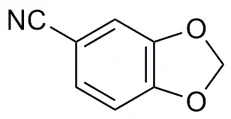
Piperonylonitrile
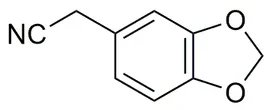
3,4-Methylenedioxyphenylacetonitrile
-
Polystyrene
Polystyrene, with a molecular weight of 50,000, is a versatile thermoplastic polymer widely used across various industries due to its excellent mechanical properties and ease of processing. This compound is characterized by its rigidity, transparency, and resistance to moisture, making it an ideal choice for applications in packaging, insulation, and consumer goods. Polystyrene is commonly utilized in the production of disposable cutlery, food containers, and protective packaging materials, providing both durability and lightweight characteristics that enhance product performance.
In research and development, polystyrene serves as a key material in the fabrication of laboratory equipment and in the synthesis of various polymer blends. Its compatibility with a range of additives allows for customization to meet specific application needs, such as improving impact resistance or thermal stability. The unique properties of polystyrene, combined with its cost-effectiveness, make it a preferred choice for manufacturers looking to optimize their product offerings while maintaining high standards of quality and performance. -
Polyethylene glycol bis(3-aminopropyl) ether
Polyethylene glycol bis(3-aminopropyl) ether is a versatile compound known for its unique properties that make it invaluable in various industrial and research applications. This compound, often referred to as PEG bis(3-aminopropyl) ether, serves as an effective surfactant and stabilizer, enhancing the performance of formulations in pharmaceuticals, cosmetics, and personal care products. Its ability to improve solubility and bioavailability makes it particularly beneficial in drug delivery systems, where it can facilitate the transport of active ingredients across biological membranes.
In addition to its pharmaceutical applications, Polyethylene glycol bis(3-aminopropyl) ether is utilized in the development of advanced materials, including hydrogels and coatings, due to its excellent compatibility with a wide range of substances. Researchers appreciate its tunable properties, which allow for customization in various formulations, making it a preferred choice for innovative product development. With its multifunctional capabilities, this compound stands out as a key ingredient for enhancing product efficacy and performance across multiple sectors. -
Bis(2-ethylhexyl) adipate
Bis(2-ethylhexyl) adipate is a versatile plasticizer widely used in the production of flexible PVC and other polymers. This compound enhances the flexibility, durability, and workability of materials, making it an essential additive in various applications, including the manufacturing of cables, flooring, and synthetic leather. Its excellent thermal stability and low volatility contribute to improved performance in high-temperature environments, ensuring longevity and reliability in end products. Additionally, Bis(2-ethylhexyl) adipate is known for its low toxicity profile, making it a safer alternative compared to traditional plasticizers, which is particularly beneficial in consumer products and food packaging.
Researchers and industry professionals appreciate Bis(2-ethylhexyl) adipate for its ability to improve the mechanical properties of materials while maintaining clarity and color stability. Its compatibility with a wide range of polymers allows for formulation flexibility, enabling tailored solutions for specific applications. This compound not only meets regulatory standards but also supports sustainability efforts by providing a more environmentally friendly option in plasticizer technology. -
Piperonylonitrile
Piperonylonitrile is a versatile compound recognized for its unique chemical structure and properties, making it a valuable asset in various industrial applications. This compound, also known as 1,3-benzodioxole-5-carbonitrile, is primarily utilized in the synthesis of agrochemicals, particularly as an intermediate in the production of insecticides and herbicides. Its ability to enhance the efficacy of active ingredients makes it a preferred choice among formulators looking to improve pest control solutions. Additionally, Piperonylonitrile is employed in the fragrance industry, where its pleasant aroma contributes to the formulation of perfumes and other scented products.
Researchers and industry professionals appreciate Piperonylonitrile for its stability and compatibility with a range of solvents, which facilitates its incorporation into various formulations. Its unique properties not only enhance product performance but also provide a competitive edge in the market. With a growing emphasis on sustainable practices, Piperonylonitrile's role in developing eco-friendly agricultural solutions positions it as a compound of interest for future innovations in both the agricultural and fragrance sectors. -
3,4-Methylenedioxyphenylacetonitrile
3,4-Methylenedioxyphenylacetonitrile is a versatile compound widely recognized for its applications in organic synthesis and pharmaceutical research. This compound, also known as MDPA, features a unique methylenedioxy group that enhances its reactivity and functional properties. It serves as a valuable intermediate in the synthesis of various bioactive molecules, particularly in the development of novel pharmaceuticals and agrochemicals. Researchers have utilized 3,4-Methylenedioxyphenylacetonitrile in the creation of compounds with potential therapeutic effects, including analgesics and anti-inflammatory agents, making it a crucial building block in medicinal chemistry.
The compound's distinct structure allows for diverse modifications, enabling the exploration of new chemical entities with improved efficacy and selectivity. Its application extends to the synthesis of dyes and other specialty chemicals, showcasing its importance in both the pharmaceutical and chemical industries. With its favorable properties and broad applicability, 3,4-Methylenedioxyphenylacetonitrile stands out as a key ingredient for researchers and professionals seeking innovative solutions in their projects.